

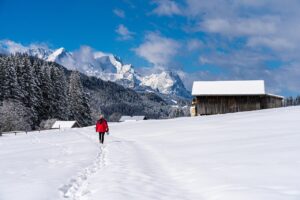
Ultimate Iceland Packing List: What to Pack for a Winter Trip
I’ve often seen people asking for an Iceland winter packing list, as they are unsure of what to take with.
In this ultimate Iceland winter packing list, I’ll guide you through the must-have essentials to stay warm, dry, and safe—plus, I’ve included some Amazon affiliate recommendations for gear I’ve tested (or seen others swear by).
Quick Iceland winter packing list:
| Item | Top Picks |
|---|---|
| Waterproof Jacket | Columbia Women’s Pouring Adventure 3 Orolay Women’s Thickened Parka Men’s Bugaboo IV Interchange Jacket |
| Insulated Down Jacket | 33,000ft Women’s Lightweight Puffer 33,000ft Men’s Waterproof Puffer |
| Merino Wool Base Layers | DANISH ENDURANCE Merino Wool Set |
| Thermal Socks | Darn Tough Merino Wool Socks DANISH ENDURANCE Anti-Blister Socks |
| Waterproof Gloves | OZERO Winter Gloves |
| Balaclava | AURUZA Thermal Balaclava |
| Waterproof Boots | Sorel Women’s Snow Angel Zip NORTIV 8 Men’s Waterproof Boots |
Why so many layers?
1. Outerwear: Stay Warm and Dry
Icelandic winters can be unpredictable, with extreme wind gusts, snow, sleet, and freezing rain all appearing in the same day. That’s why a top-quality outer layer is non-negotiable. A 3-in-1 waterproof parka with removable insulation allows you to adapt to rapidly shifting weather conditions. On mild days, wear just the shell; on frigid days, use both layers for maximum warmth. Prioritize outerwear that is windproof, waterproof, and breathable.
The real enemy in Iceland isn’t just snow — it’s wind. You need a jacket that seals at the cuffs, zips up to the neck, and has a hood that adjusts tightly. Look for storm flaps over zippers and taped seams for extra protection. A good parka acts as your first line of defense against hypothermia and windburn, especially when exploring open landscapes like glaciers or black sand beaches.
This layer should also be roomy enough to fit your mid-layer comfortably without feeling tight or reducing mobility. Choose brighter colors for visibility in snowy conditions and reflective accents if you’ll be out in low light. Whether you’re walking behind waterfalls or watching the Northern Lights, your outerwear must work as hard as you do.
2. Insulated Down Jacket (Mid-layer)
Your insulated mid-layer is the critical warming zone in your clothing system. It traps heat between your base layers and outer shell, keeping your core temperature stable even in icy winds. A lightweight down or synthetic puffer jacket is ideal, as it offers excellent insulation without bulk.
Down insulation is great because it’s lightweight and compressible, making it easy to pack and wear under your outer shell. Synthetic versions work better in wet conditions — and considering Iceland’s humidity and freezing rain, that’s a big plus. Look for jackets with adjustable hems, snug cuffs, and insulated hoods to seal in warmth.
Don’t underestimate the role this layer plays. Without proper insulation, even the best waterproof shell won’t keep you warm. If you’ll be stopping often — whether for Northern Lights photography or simply taking in the scenery — you’ll cool down fast. Your mid-layer ensures your body retains heat during these pauses.
Wear your insulated jacket during car rides, shorter hikes, or nights out in Reykjavik. It’s a versatile piece that can adapt to indoor and outdoor use. Choose something stylish and durable, and it’ll serve you both on this trip and your future cold-weather adventures.
3. Base Layers: Moisture-Wicking & Thermal
Base layers are the unsung heroes of any cold-weather outfit. They’re the first thing you put on, and the last thing you take off. Iceland’s winter conditions demand moisture-wicking, thermal underwear that will keep you dry and warm from the inside out.
Merino wool is a top choice because it regulates body temperature, resists odors, and doesn’t itch like traditional wool. It keeps you warm when it’s cold and cool when you sweat — perfect for a day that begins with a snowy hike and ends in a geothermal pool. Choose both top and bottom layers, and bring extras. Dry base layers can be a lifesaver after getting wet.
Thermal socks are another essential. Regular cotton socks absorb sweat and stay wet, leading to cold feet and even frostbite. High-quality merino wool socks — ideally mid-calf or knee-high — keep your feet dry, blister-free, and warm for long walks on icy paths or snowy ground.
Remember, layering starts here. A good base layer sets the tone for everything else. Whether you’re standing in a snowstorm or spending hours in a car on icy roads, these layers will make the difference between discomfort and comfort — even survival.
4. Accessories: Don’t Get Frostbite
When it comes to Icelandic winters, accessories aren’t optional. They’re your line of defense against frostbite and windburn — conditions that can set in quickly when temperatures drop below freezing and wind speeds climb.
Start with gloves. Choose waterproof and insulated pairs that still allow you to use your phone or camera without removing them. Glacier walks, snowmobiling tours, and even standing still for aurora photos all expose your hands to intense cold. Fingers lose heat fast, so don’t skimp here.
A balaclava or thermal face mask is another must-have. Iceland’s wind can cut like a blade, and facial skin is especially vulnerable. Balaclavas protect your cheeks, nose, and neck, offering breathable warmth. Look for fleece-lined or merino wool options that fit comfortably under a hat or hood.
Don’t forget your boots. You’ll need waterproof, insulated footwear with aggressive tread patterns to handle icy terrain. Sub-zero temperatures, slush, and icy sidewalks can make normal shoes dangerous. Quality boots not only protect your feet from wet cold but also provide grip on uneven or frozen surfaces.
Accessories might seem like minor add-ons, but in Iceland, they’re mission-critical. A few smart choices here can mean the difference between a cozy adventure and a miserable one.
Smart Packing = A Safe, Unforgettable Iceland Adventure
Packing for Iceland in winter is not just about comfort—it’s about survival, safety, and the freedom to enjoy the stunning landscape without distraction. From the glacier-coated valleys of the south to the icy fjords of the north, conditions change fast. One minute you’re walking on a frozen lava field; the next, you’re bracing against a sudden snow squall at a windswept waterfall. Being prepared is what separates those who thrive from those who freeze (literally and figuratively).
Layering is the golden rule. Each layer plays a vital role: the base wicks sweat, the mid-layer traps heat, and the outer layer blocks wind and moisture. It’s a system, not a single solution. Leave behind the mindset of “I’ll figure it out when I get there”—in Iceland, you don’t get that luxury. Smart packing means fewer surprises, fewer regrets, and more time spent actually enjoying the place you came to see.
Accessories like thermal socks, gloves, and balaclavas might seem small, but they can make or break your trip. Wet feet, numb fingers, or a wind-chapped face can turn any adventure sour. Invest in quality gear now, and it’ll pay you back in comfort, warmth, and peace of mind throughout your travels—not just in Iceland but in future winter destinations as well.
We’ve included Amazon affiliate links to high-rated, traveler-tested items to help you choose gear that’s not only reliable but often backed by generous return policies. If you purchase through one of our links, we may earn a small commission—at no extra cost to you. It’s a great way to support the site and ensure we can keep creating free, helpful guides like this one.
Also, if you plan to rent a car and explore Iceland’s remote winter roads, make sure to read our in-depth guide on Winter Driving in Iceland. It covers what to expect on icy roads, how to handle storms, and how to stay safe if you get stranded. It’s essential reading if you’re taking the wheel.
Finally, don’t overpack, but don’t underprepare either. Iceland’s minimalist beauty calls for functional gear, not fashion statements. Think resilience over style, practicality over excess. Trust us—when the wind is howling at 50 mph and you’re still warm, dry, and snapping photos of the Northern Lights, you’ll thank yourself for every smart packing decision you made.
Ready to Pack?
We’ve made it easy: scroll back up to our Packing Table and start checking off items. And if you’re planning your trip, don’t forget to check out our Iceland Itineraries and Travel Tips categories for local insights, safety guides, and budget advice.